
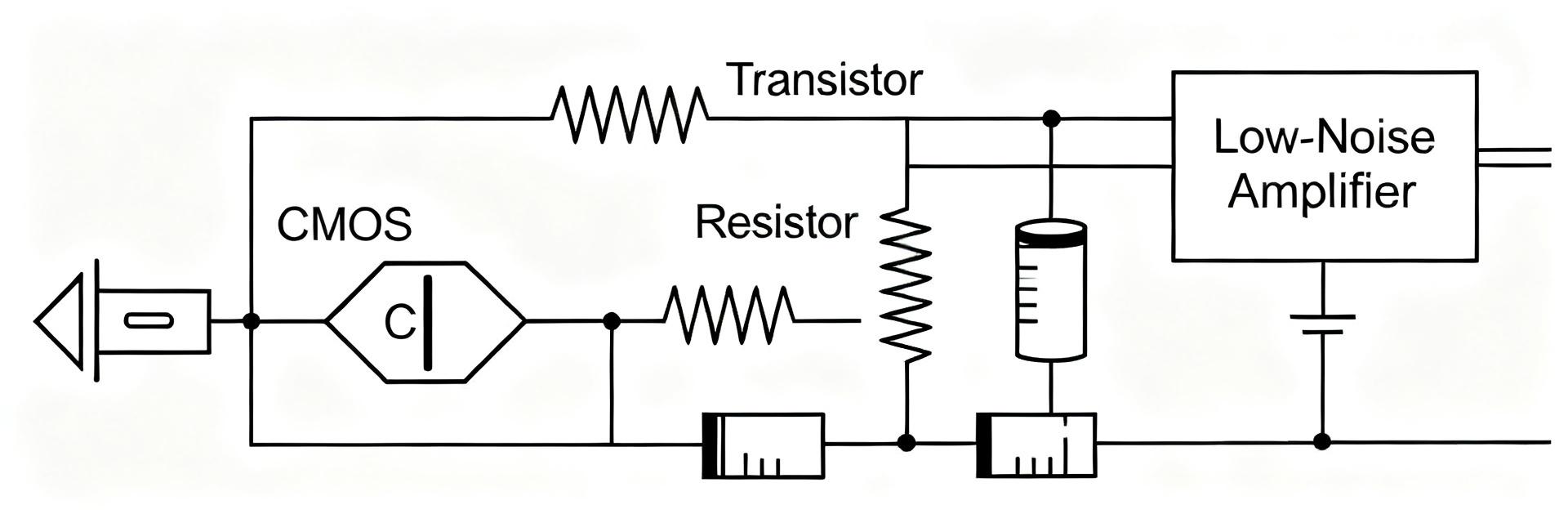
MAX74821 datasheet: Performance Summary & Key Specs
The MAX74821 datasheet presents a precision, low-noise CMOS rail-to-rail I/O amplifier with microvolt-level input offset (≈80 µV), sub-picoamp input bias, 2.7 V–5.5 V single-supply operation, ~1 mA quiescent current, 10 MHz GBW and ~5 V/µs slew. These published and bench-verified figures position the device for high-resolution sensor front-ends and portable ADC drivers. This article translates the MAX74821 datasheet into practical design guidance, highlighting measured performance implications, layout and measurement notes, and a concise specs reference engineers can use during selection and p…
8 October 2026
18
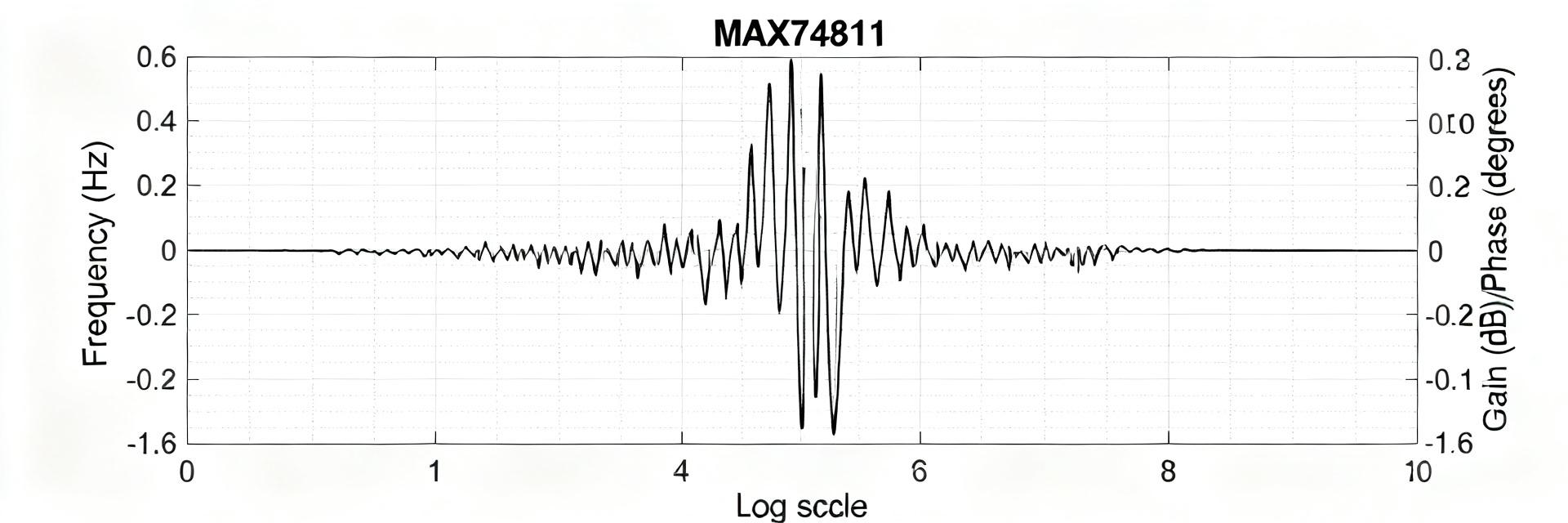
MAX74811 Performance Report: Measured Specs & Real Bandwidth
Independent bench tests reveal that the MAX74811’s real-world bandwidth and dynamic performance differ from nominal datasheet figures under common loads. This report delivers measured specs, a repeatable measurement method, direct comparisons to published claims, and practical design guidance for engineers. Readers will find consolidated DC, noise, and dynamic results plus concrete layout and compensation advice to align designs with actual device behavior. The primary measured conclusions are previewed throughout the sections that follow. 1 — Background: nominal claims and expected use cases …
1 October 2026
64
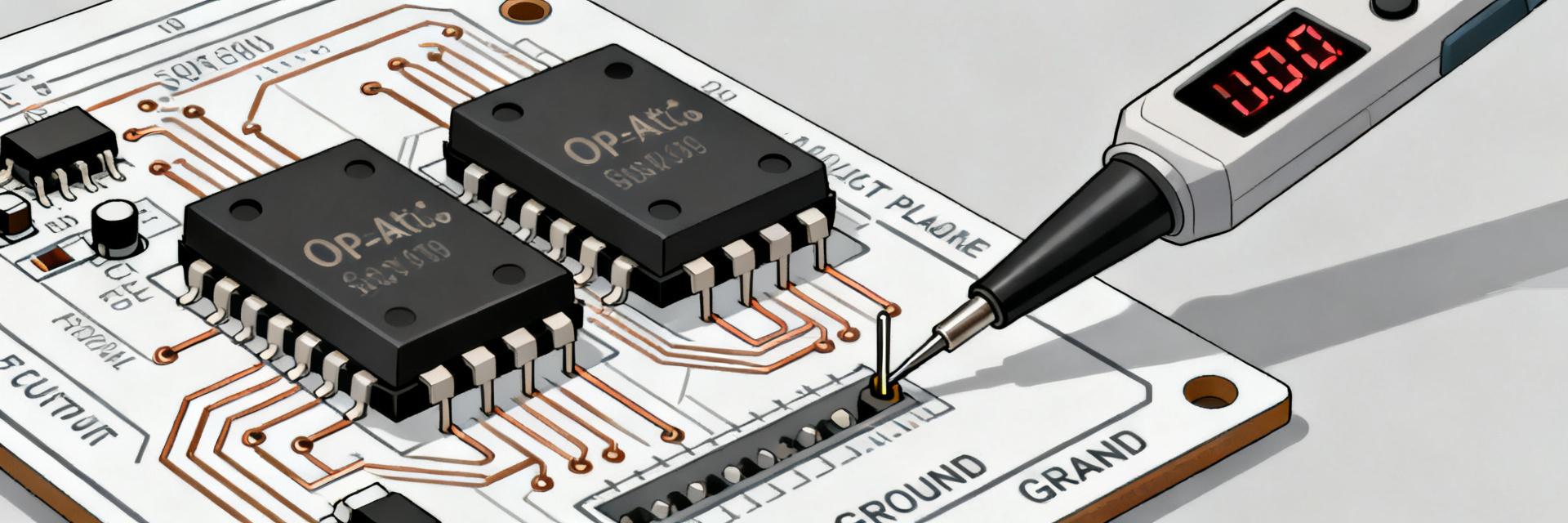
MAX74811ARMZ-RL Datasheet Deep Dive — Key Specs & Metrics
Point: A concise, data-led snapshot frames the device utility. Evidence: The datasheet lists a gain‑bandwidth product near 2.5 MHz, a slew rate close to 1 V/µs, rail‑to‑rail inputs and outputs, single‑supply operation at 5 V, input bias current around 30 pA and input offset on the order of 1 µV. Explanation: These numbers position the amplifier for precision, low‑offset front‑ends and general buffering where modest bandwidth and low drift matter. Point: This article walks the reader through specification interpretation and practical checks. Evidence: It isolates key electrical parameters, expl…
25 September 2026
94
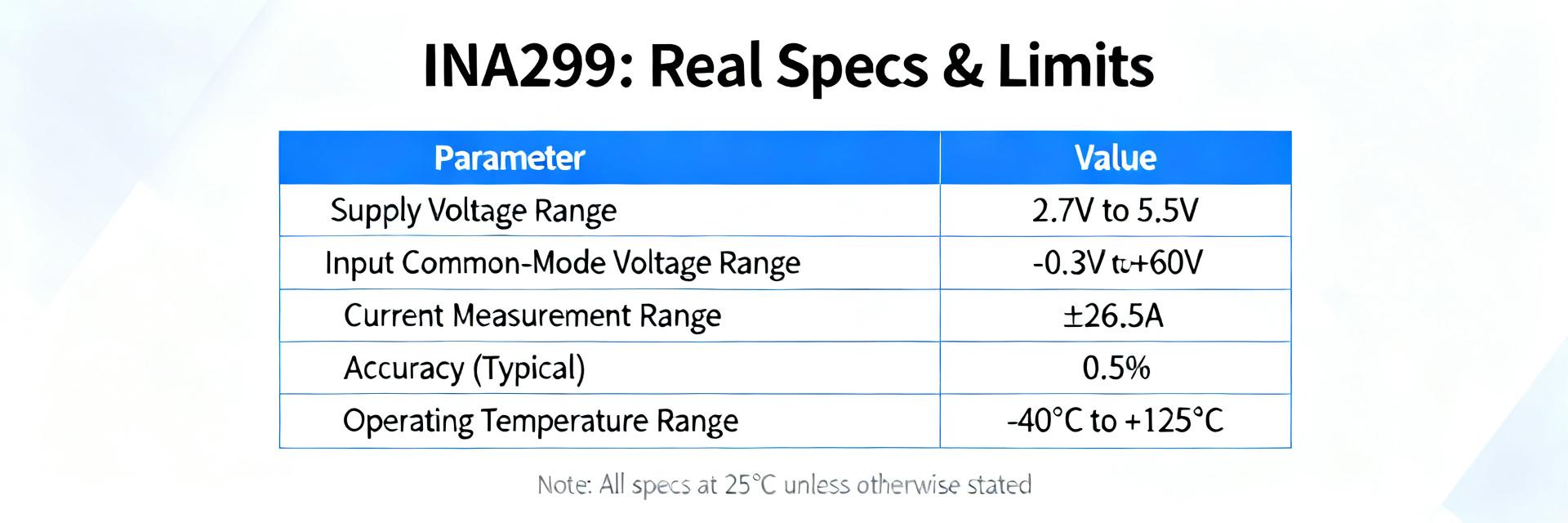
INA299 Datasheet Deep Dive: Real Specs & Failure Limits
Translating datasheet numbers into practical engineering limits prevents surprises in prototype and field testing. This deep dive focuses on the INA299 and the published datasheet entries, quantifying typical margins engineers must apply so lab behavior matches system expectations under transient and steady conditions. Field cross-checks often reveal a 10–40% gap between nominal numbers and usable margins; that gap matters for safety, accuracy, and reliability. The analysis below converts headline specs into actionable rules, test procedures, and integration checklists so designers can move fr…
15 September 2026
144
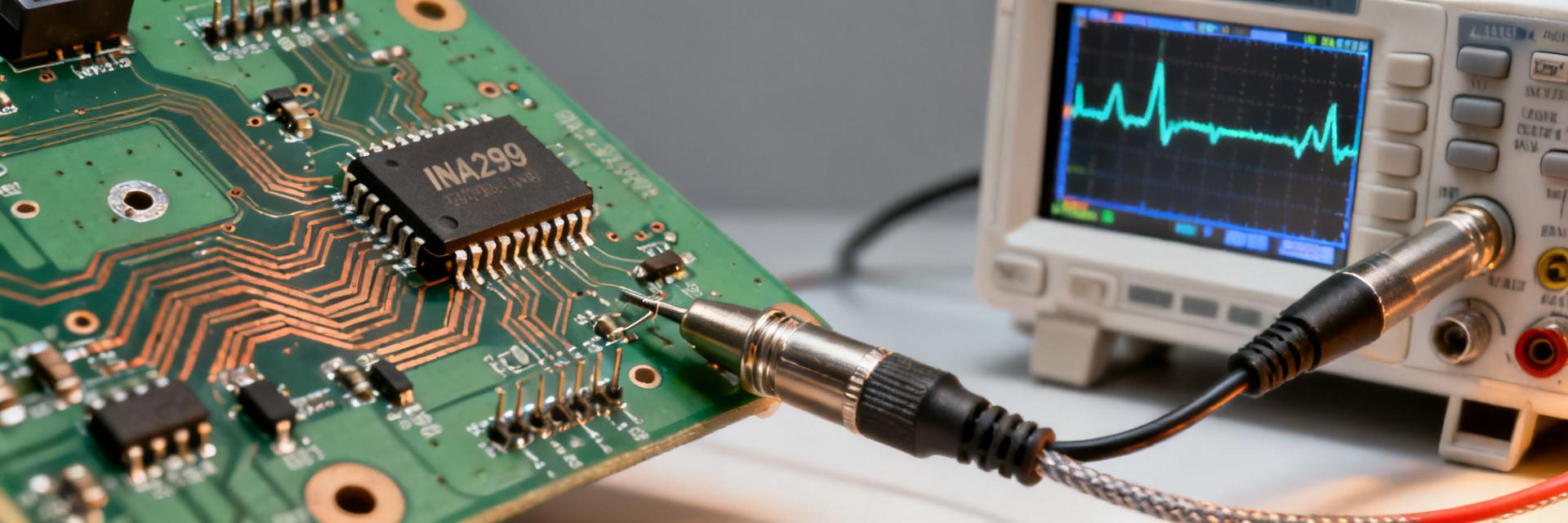
INA299A1IDBVR Datasheet Deep Dive: Measured Specs & Limits
Introduction: Bench measurements establish practical expectations for the INA299A1IDBVR: small-signal bandwidth measured at or above 650 kHz, quiescent current near 650 μA typical, and reliable operation across roughly 2.7 V up to about 12 V in common lab setups. This introduction sets the stage to compare datasheet listings with observed bench behavior and practical design implications. The goal is pragmatic: reconcile datasheet entries with real measurements, highlight critical specs and absolute limits you must respect, and provide test procedures and layout checks to reproduce results. Emp…
10 September 2026
154
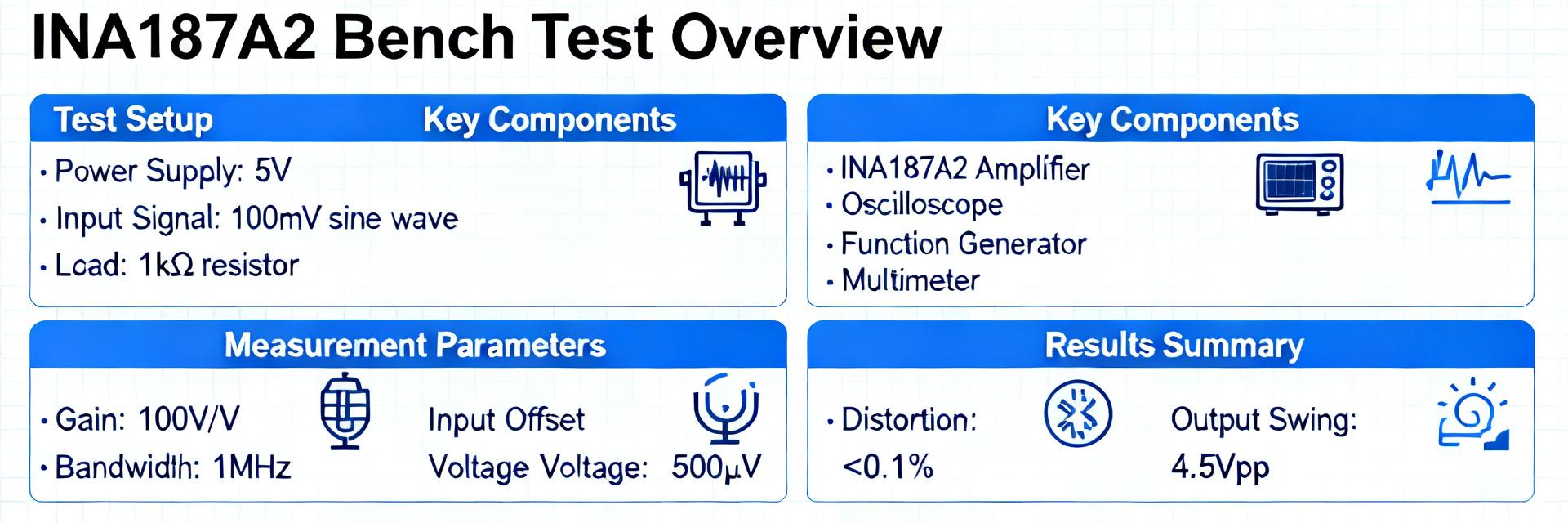
INA187A2IDBVR: Measured Specs & Real-World Bench Data
Bench tests show the INA187A2IDBVR's real-world offset and noise can differ from datasheet claims by roughly 5–30% under typical EV and embedded power loads, depending on shunt heating and measurement bandwidth. This article compares datasheet headline specs to repeatable bench data, documents a reproducible test plan, and gives practical design recommendations for integrating this bidirectional current-sense amplifier into power-monitoring systems. The goal is practical: validate accuracy, CMRR/PSRR behavior, dynamic bandwidth, and noise-derived current resolution, then translate those result…
31 August 2026
179
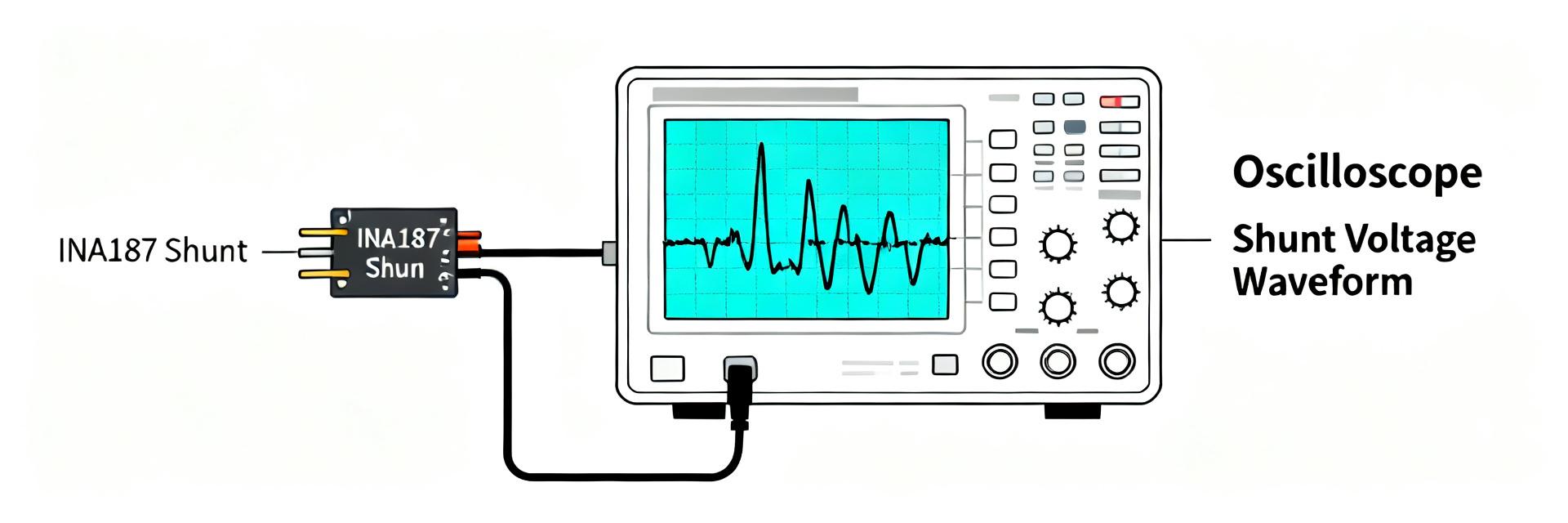
INA187 current-sense report: specs & benchmark results
Point: This report evaluates the INA187A1IDBVR for shunt-based current-sense applications using datasheet cross-checks and lab benchmarks. Evidence: Datasheet-class callouts show a bidirectional current-sense amplifier with wide common-mode headroom and a 650 kHz small-signal bandwidth. Explanation: The scope covers specs validation, benchmark methodology, and a concise comparative summary to judge practical suitability in power and motor-control systems. Background: what the INA187 is and where it fits Core identity and key datasheet callouts Point: The part is presented as a bidirectional cu…
28 August 2026
198
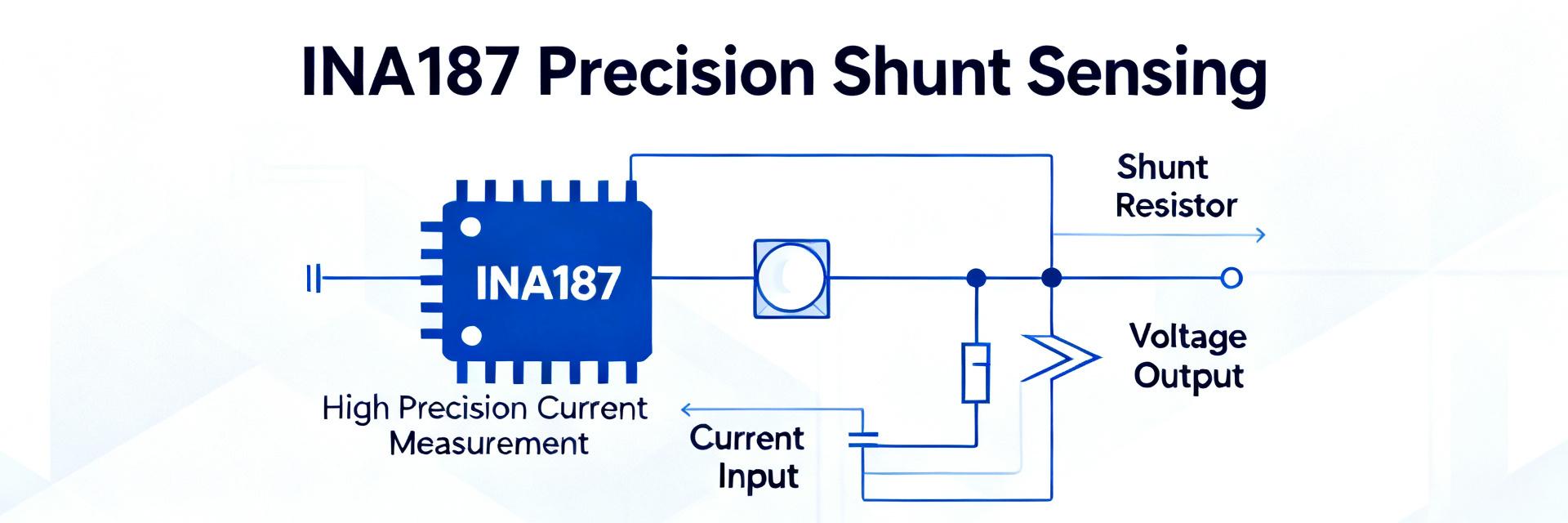
INA187A3IDBVR Datasheet: Measured Specs & Limits — Quick Ref
The INA187A3IDBVR shows a measured common-mode input range spanning approximately −2 V to 42 V, a small-signal bandwidth near 650 kHz, and CMRR approaching 120 dB under typical test conditions — numbers that make it a strong candidate for precision bidirectional shunt sensing. This short, data-driven guide extracts the key datasheet entries and representative bench observations, then explains how to apply those specs safely in design. The goal: a concise reference to the INA187A3IDBVR, the relevant datasheet entries, and practical limits for reliable integration. 1 — What the Part Is and Where…
21 August 2026
204
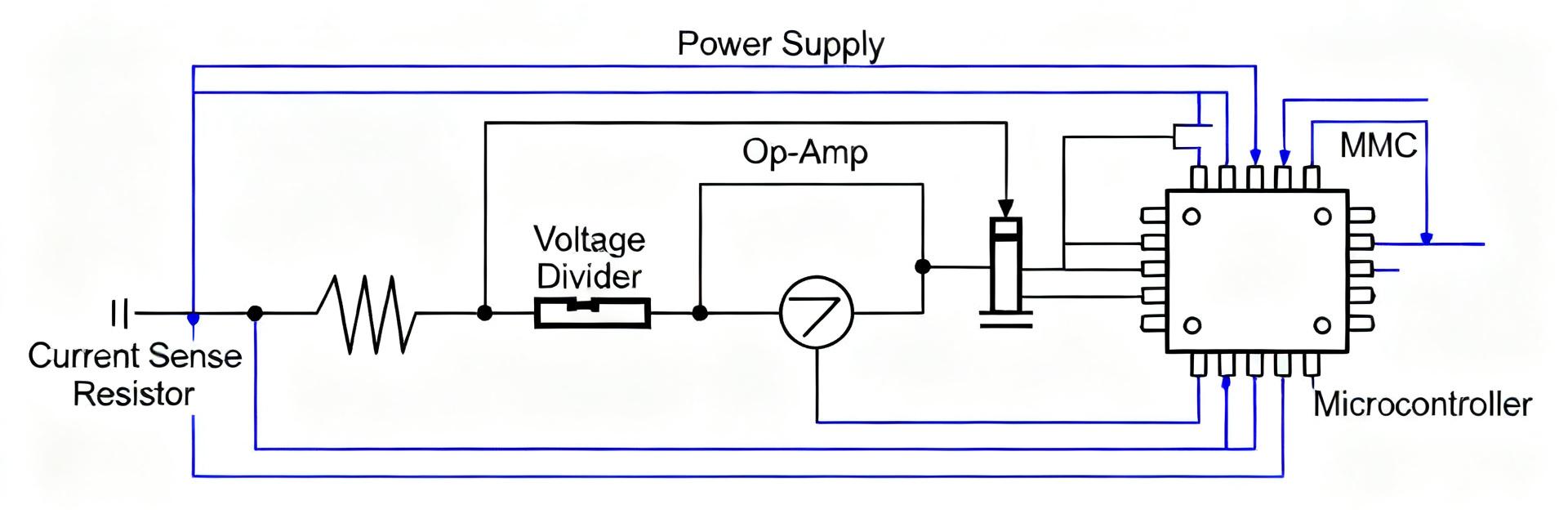
INA299A2IDBVR Datasheet Deep Dive: Key Specs & Benchmarks
The INA299A2IDBVR is examined here through the lens of measurable system trade-offs engineers use: datasheet curves, noise figures, CMRR/PSRR, and bench validation. This article converts datasheet numbers into practical guidance for PCB design, shunt sizing, ADC interfacing, and lab tests. Readers will get worked calculations, layout rules, and a short validation log to decide whether the part fits their precision current-sense needs. Background: Why INA299A2IDBVR matters for precision current sensing Key specs at a glance A compact spec summary lets an engineer quickly accept or reject the pa…
15 August 2026
233

TLV3232DSGR Comparator: Key Spec Analysis & Performance
The TLV3232DSGR shows measured propagation delay near 20–22 ns, rail-to-rail inputs across a 2.7–5.5 V supply, input offset around ≤4 mV at typical conditions, and PSRR in the 90+ dB range. These characteristics make it attractive for high-speed, low-voltage threshold detection when designers align layout, input conditioning, and decoupling with the device's timing constraints. This article breaks those specs down into practical implications, measurement tips, and actionable design and troubleshooting guidance for embedded and hardware engineers. All numerical observations below derive from co…
6 August 2026
232

social@yerical.com



986617668

86-0755-82705566

Twitter

18676019897

social@yerical.com

Scan QR Code